

Face Yoga practice

Face Yoga Exercises: A Safe, Structured Way to Start

Face Yoga exercises are controlled facial movements designed to activate and work facial muscles while building awareness and releasing held tension.

This guide shows you how to begin safely, practise with control and understand where different Face Yoga exercises fit into a complete routine.

New to Face Yoga? Start With the Beginner Guide

Sheetal Pungliya, Face Yoga expert and founder of FaceTone
Sheetal Pungliya demonstrating a gentle cheek Face Yoga exercise

Trainer note

Trainer Note from Sheetal

Like the rest of the body, the face is supported by muscles that create movement, expression and tone. I often put it simply: use it or lose it.

As we age, changes in muscle tone, skin elasticity and facial structure can leave the face looking softer or more tired. Face Yoga uses controlled movements to build muscle awareness and support facial strength over time.

One question I’m often asked is:

“If I stop doing Face Yoga, will my face drop again?”

My answer is: not suddenly — but consistency matters.

It is similar to exercising the rest of your body. When you stop training for a long time, you may gradually lose some of the strength and conditioning you built.

The same idea helps explain why consistency matters in Face Yoga too.

You don’t need to overdo it — just practise correctly, take it easy and stay consistent.
— Sheetal Pungliya

Founder, FaceTone | Certified Yoga Trainer | 13+ Years of Yoga Experience

How to start Face Yoga exercises safely

Sit upright with your feet grounded — right posture is important. Work one side of the face at a time when a movement asks for it, then match the other side. Use no pressure and stop if anything feels sharp, dizzy or wrong for your body.

Face Yoga supports facial wellness through consistent practice — it is not a medical treatment.

  • Clean hands, clean face, no tools required
  • Breathe steadily; do not hold your breath
  • Prefer control over force or stretching the skin
  • Short, regular practice is better than overdoing a long session.

A Simple Beginner Guide

These are general starting ranges. Individual exercises below may use different repetitions or timing.

Sheetal Pungliya demonstrating a gentle cheek Face Yoga exercise

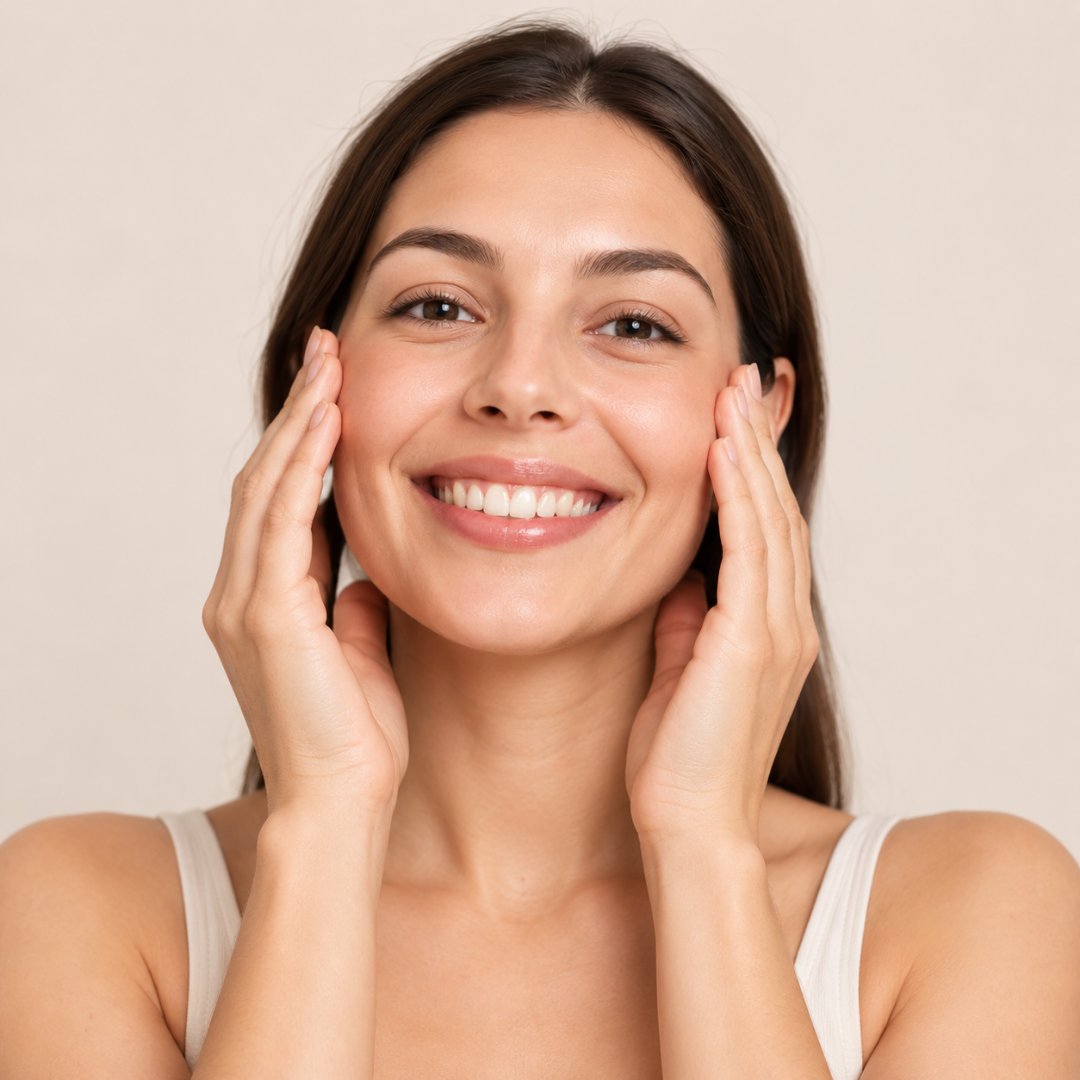
Cheek lift with palm support

What it works on: mid-face awareness and a supported, lifted feel in the cheeks.

  1. Apply a small amount of cream or gel to your palms so they can move comfortably without dragging the skin. Place both palms gently under the cheek.
  2. Apply light support and guide the cheeks slightly upward.
  3. Do not drag or pull the skin. Release slowly and relax the face before repeating.
  • Repetitions 8 slow holds
  • Duration 3–5 seconds per hold
  • Common mistake Do not drag or pull skin. Not using lubrication (cream / gel)
  • When to stop Jaw clenching or eye strain
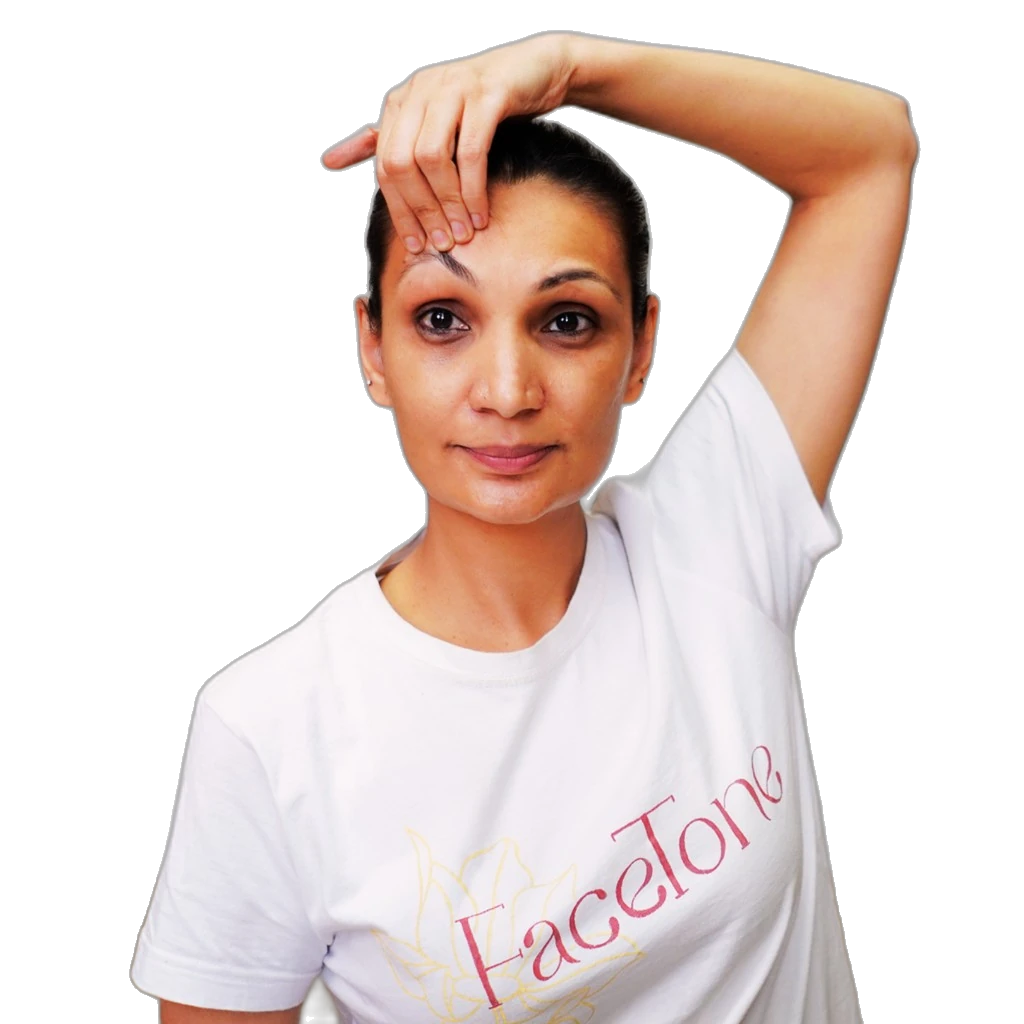
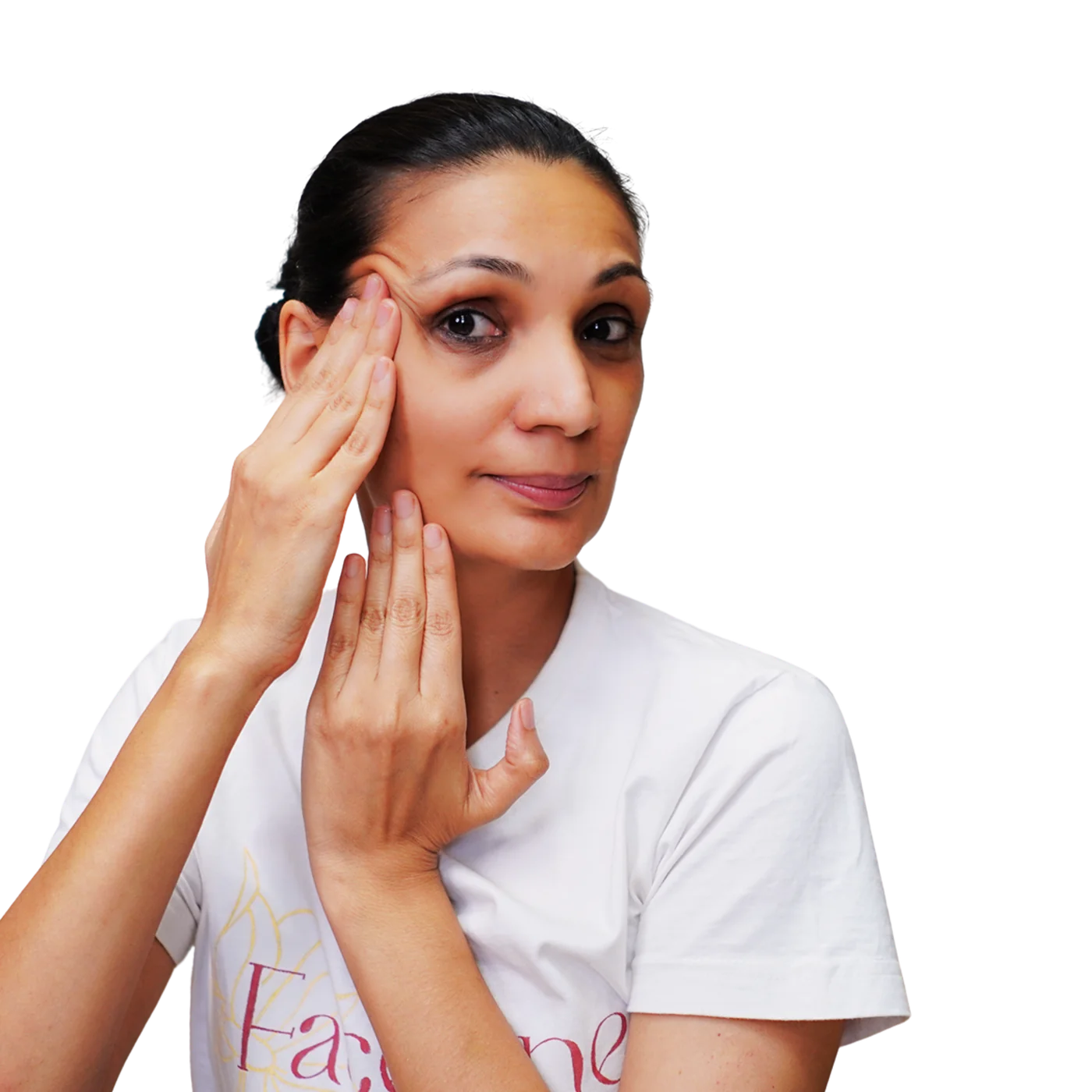
Sheetal Pungliya demonstrating a Face Yoga exercise around the eyes and brows

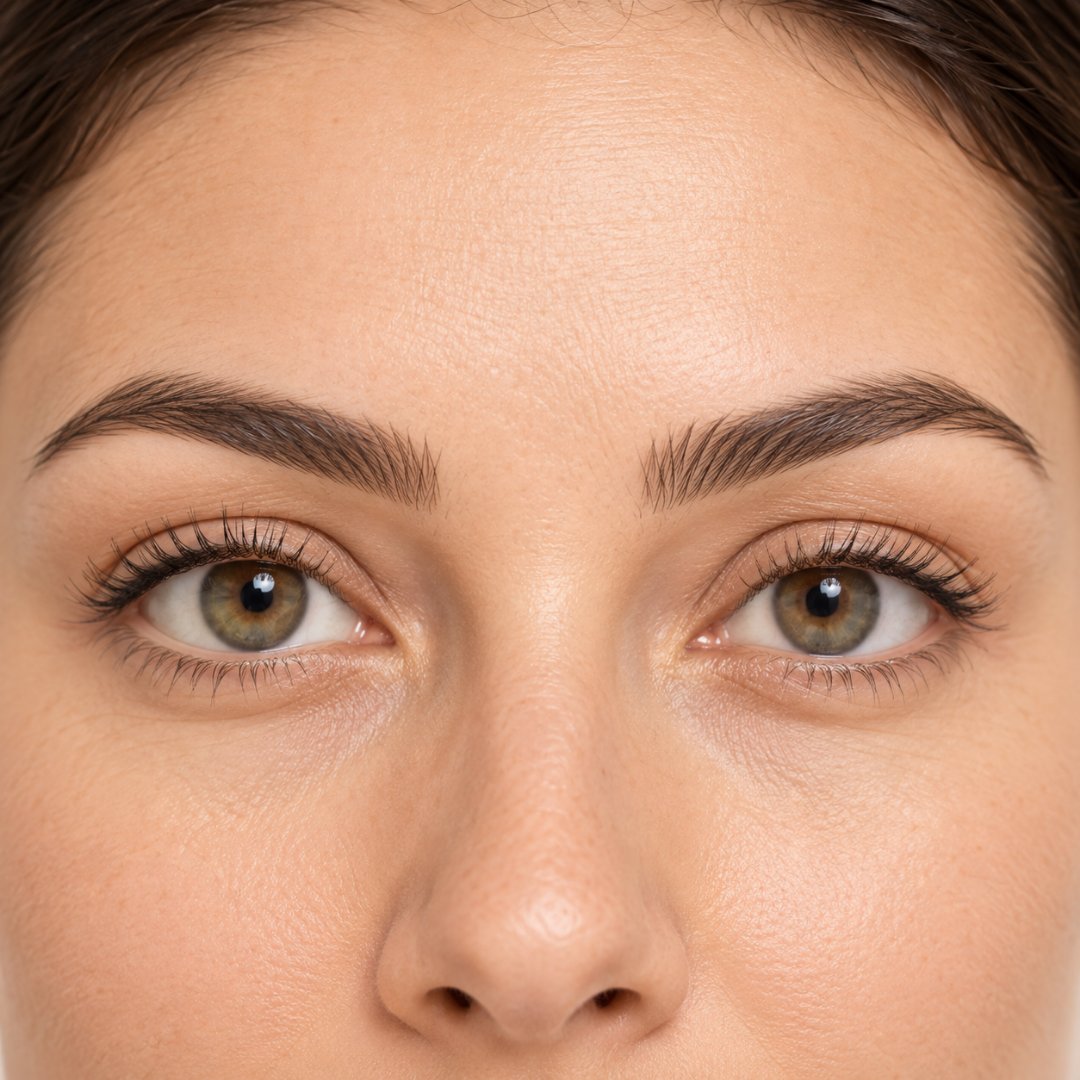
Soft eye and brow support

What it works on: upper-face awareness and a fresher feel around tired eyes.

  1. Rest the pads of your fingers lightly along the brow bone or outer eye area.
  2. Keep the forehead soft while you open the eyes with intention, not force.
  3. Blink and release between repetitions so the temples stay relaxed.
  • Repetitions 6–8
  • Duration About 30 seconds per set
  • Common mistake Raising the brows hard into horizontal lines
  • When to stop Headache, eye watering from strain, or dry-eye discomfort
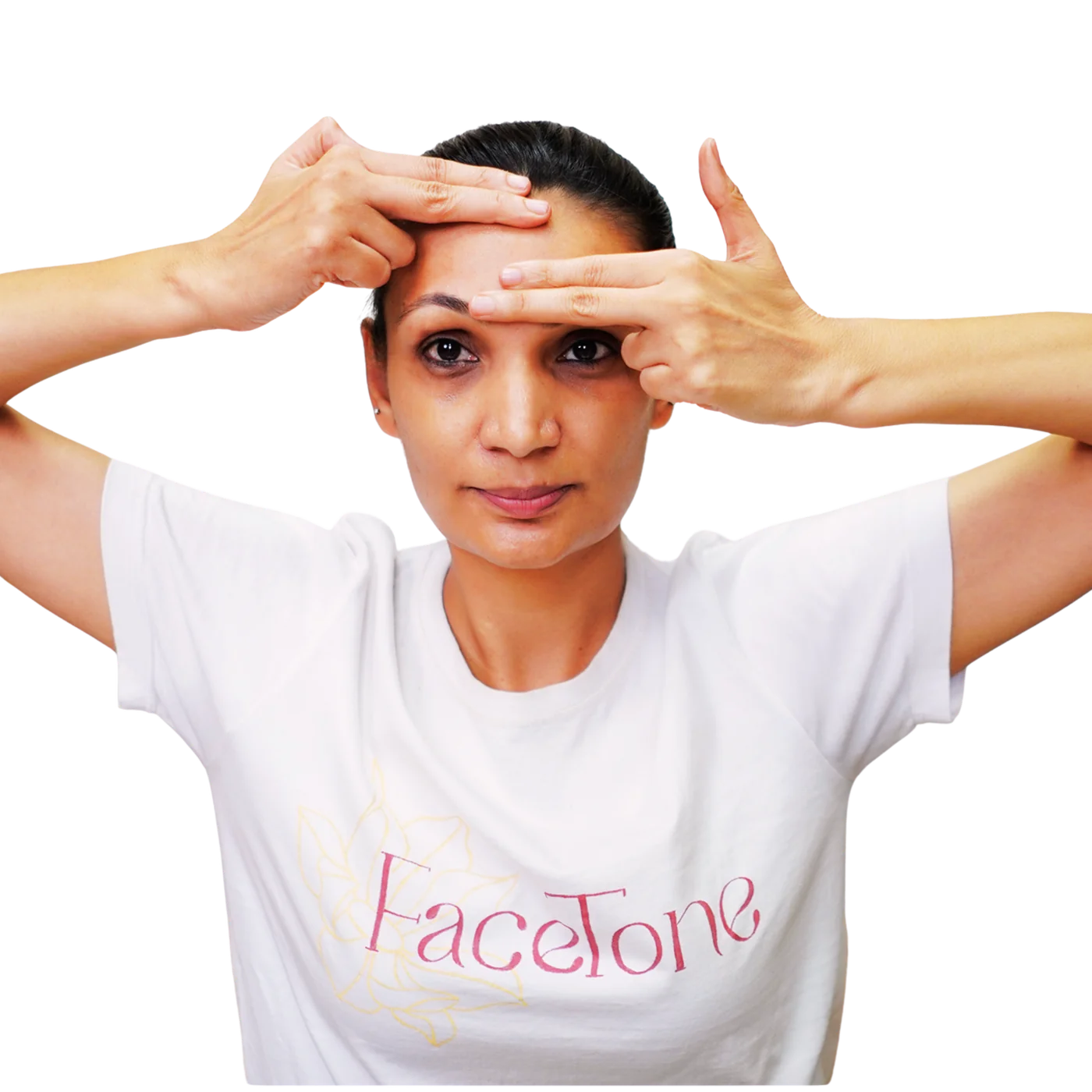
Sheetal Pungliya demonstrating a forehead Face Yoga exercise

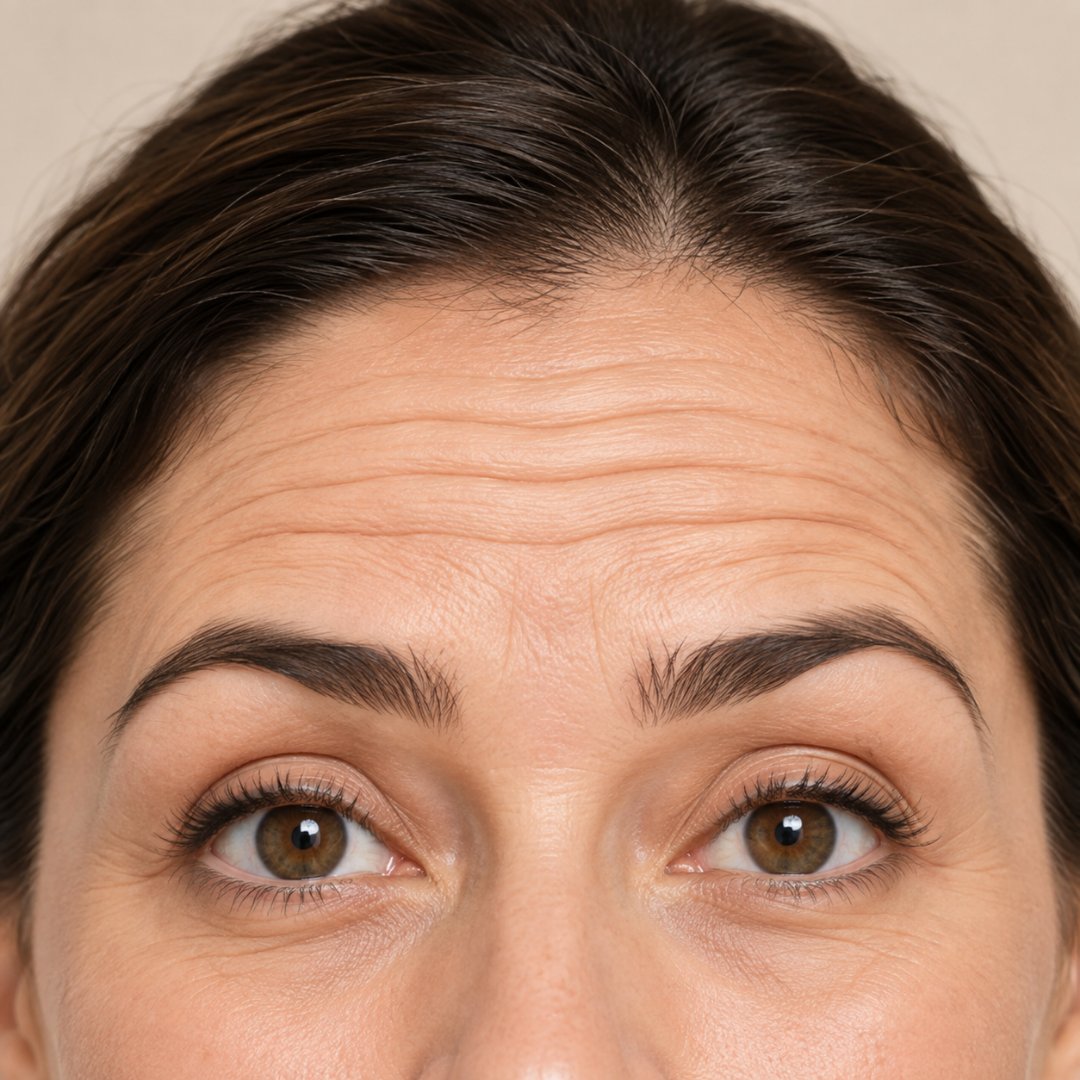
Forehead smoothing with finger glide

What it works on: held forehead tension and smoother resting expression.

  1. Place both hands flat across the forehead with almost no pressure.
  2. Glide outward toward the temples while the forehead stays long and quiet.
  3. Pause at the temples, then return to the centre for the next pass.
  • Repetitions 6–10 passes
  • Duration About 40 seconds
  • Common mistake Dragging dry skin instead of gliding lightly
  • When to stop Redness, pulling or discomfort at the hairline
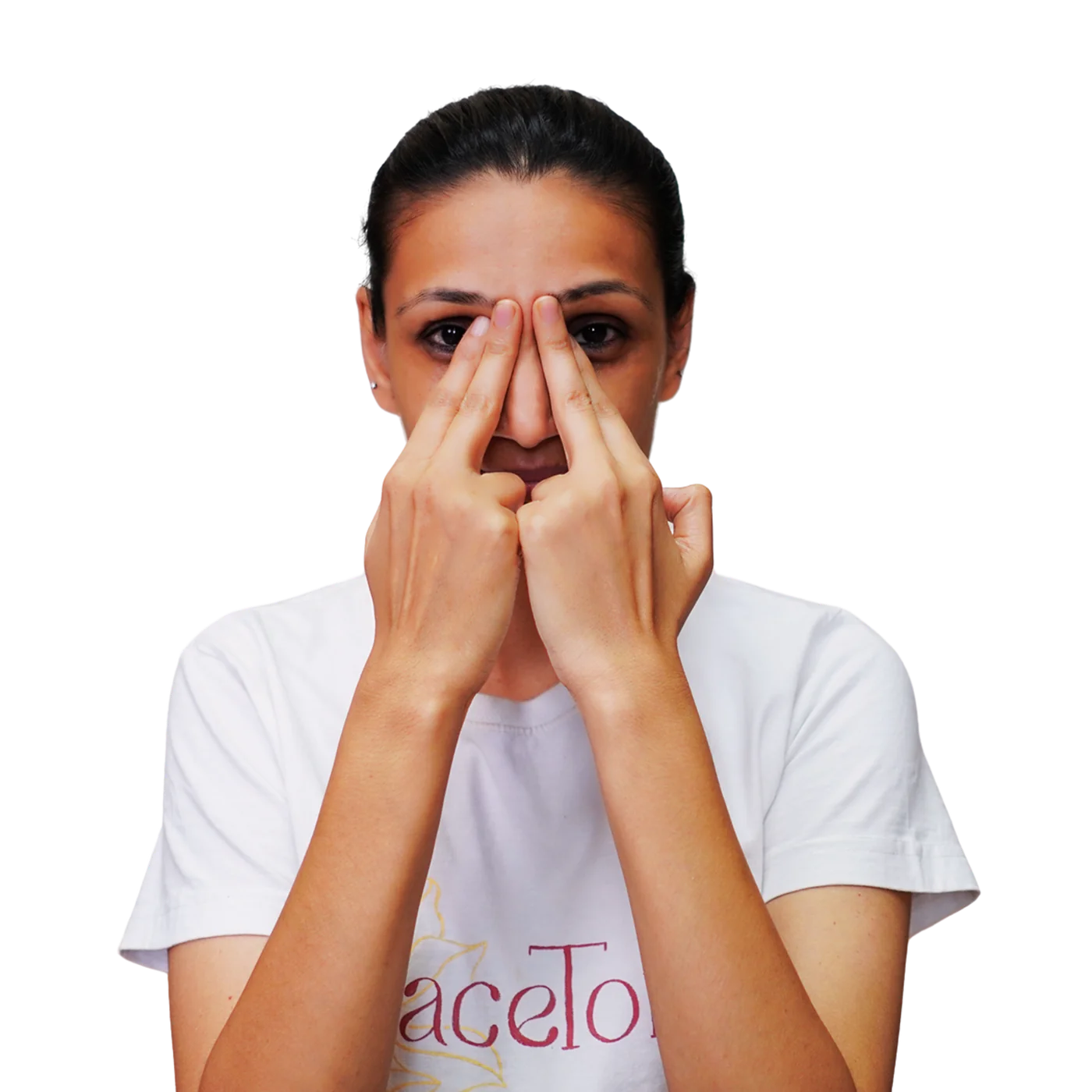
Sheetal Pungliya demonstrating a Face Yoga exercise along the nose bridge

Nose-bridge and mid-face awareness

What it works on: mid-face connection and a calmer resting face.

  1. Place index fingers lightly along the sides of the nose bridge.
  2. Lengthen through the mid-face as if smiling with the eyes, not the mouth.
  3. Release and reset the shoulders before repeating.
  • Repetitions 6–8
  • Duration 20–30 seconds
  • Common mistake Pinching the nose or frowning
  • When to stop Sinus pressure or nasal discomfort
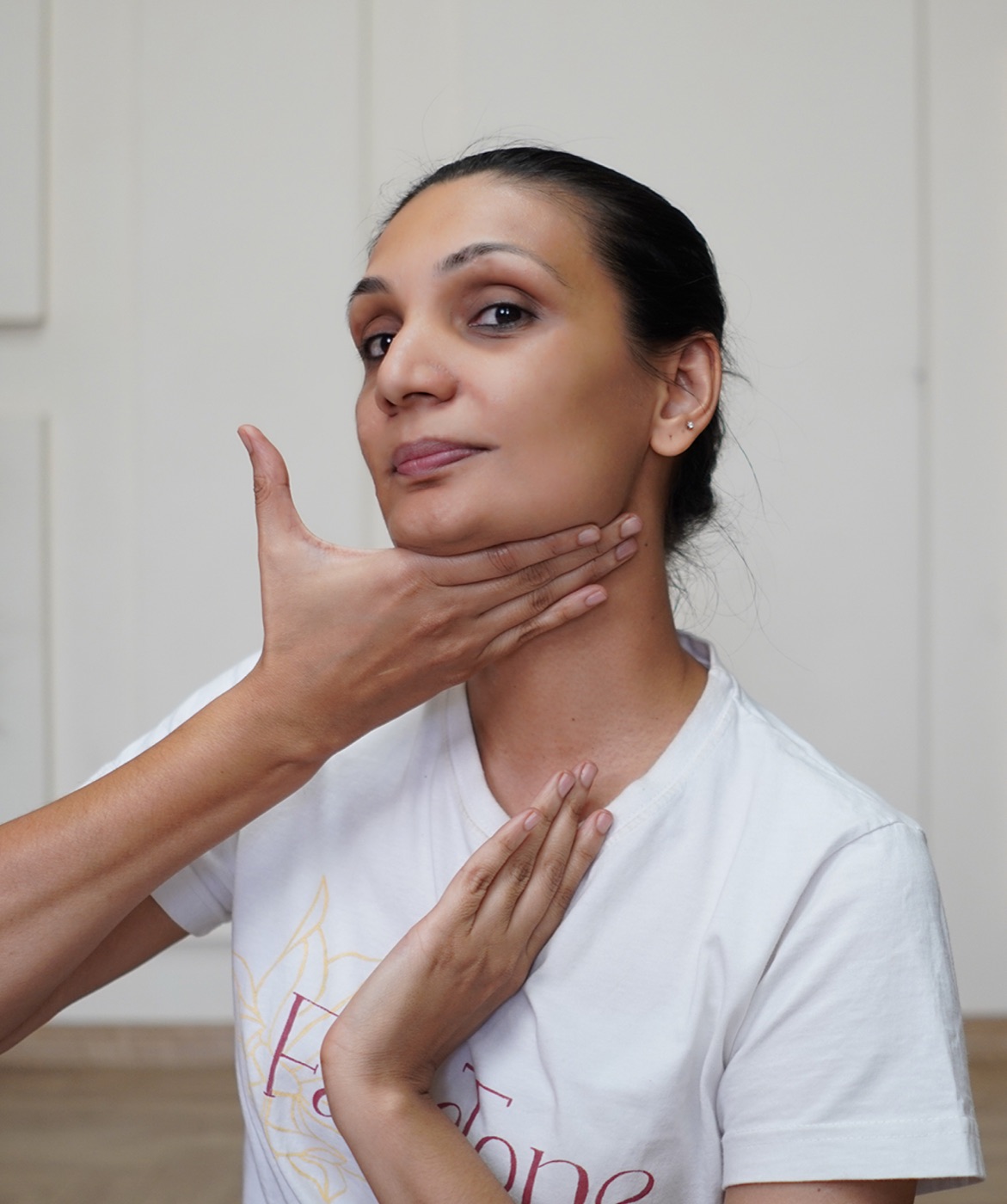
Sheetal Pungliya demonstrating a jawline Face Yoga exercise

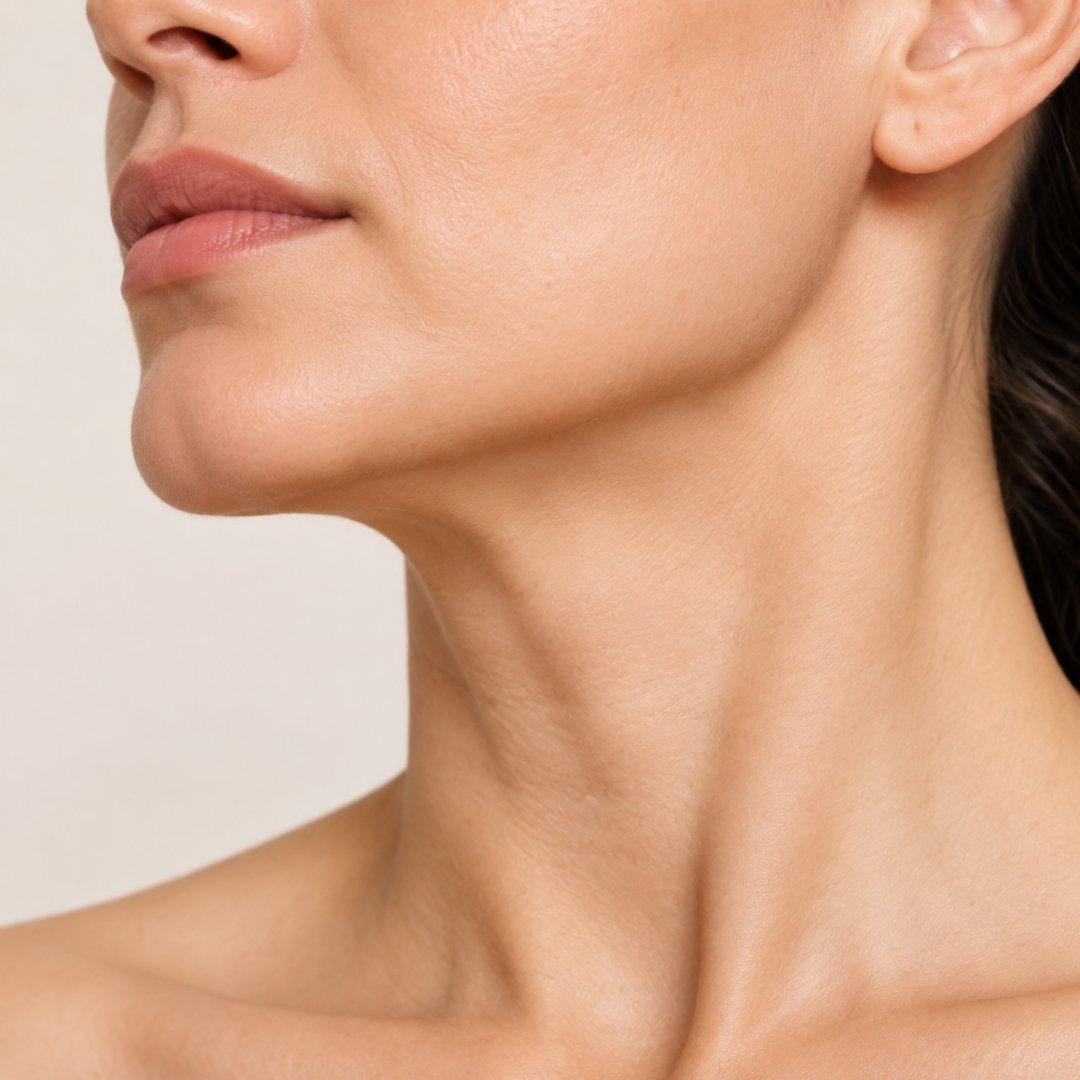
Jawline and under-chin activation

What it works on: lower-face tone and clearer jaw awareness.

  1. Apply cream / gel on fingers and make hooks of first two fingers.
  2. Slide the fingers from chin toward ears along the jaw line.
  3. Engage the underside of the jaw as well.
  • Repetitions 8–10
  • Duration About 40 seconds
  • Common mistake Jutting the chin forward or grinding the teeth
  • When to stop TMJ pain, neck strain or clicking that worsens

The Exercise Is Only One Part

Two people may have the same facial concern but need a different approach.

One may benefit from muscle activation. Another may need relaxation, posture work or lymphatic drainage first.

That is why FaceTone focuses not only on which exercise you do, but also what you combine it with and in what sequence.

Discover the FaceTone Method

Explore exercises by area

Deeper exercise guides for each area will live here. Until each page is ready, cards stay inactive.

Jawline exercises

Lower-face movements for jaw awareness and control.

Explore 4 min read

Cheek exercises

Mid-face activation with support, not force.

Explore 4 min read

Eye exercises

Gentle upper-face practice for fresher eyes.

Explore 4 min read

Forehead exercises

Release and controlled movement across the brow.

Explore 4 min read

Neck exercises

Neck and under-chin awareness as part of Face Yoga.

Explore 4 min read

Full-face routine

A simple sequence that ties several areas together.

Explore 5 min read

Common mistakes and safety

Most people overwork Face Yoga exercises. If the skin stretches, the jaw clamps or the forehead bunches, reduce the range and slow down.

Skip any movement that aggravates existing jaw, neck, migraine or eye conditions. If you are unsure, ask a qualified clinician before practising. Consistency and awareness matter more than intensity.

Sheetal Pungliya, Face Yoga expert and founder of FaceTone

Expert guidance

Sheetal Pungliya

Founder, FaceTone
Certified Yoga Trainer
13+ Years of Yoga Experience

Sheetal teaches Face Yoga exercises with control, breath and clear cues — so beginners and returning students can practise safely from home.

About Sheetal Pungliya

Prefer guided Face Yoga practice?

Join 2 days Free session and discover how Face Yoga can help improve firmness, reduce puffiness, and support your natural glow ✨

Join 2 days Free session on coming weekend.

250,000 people have already experienced

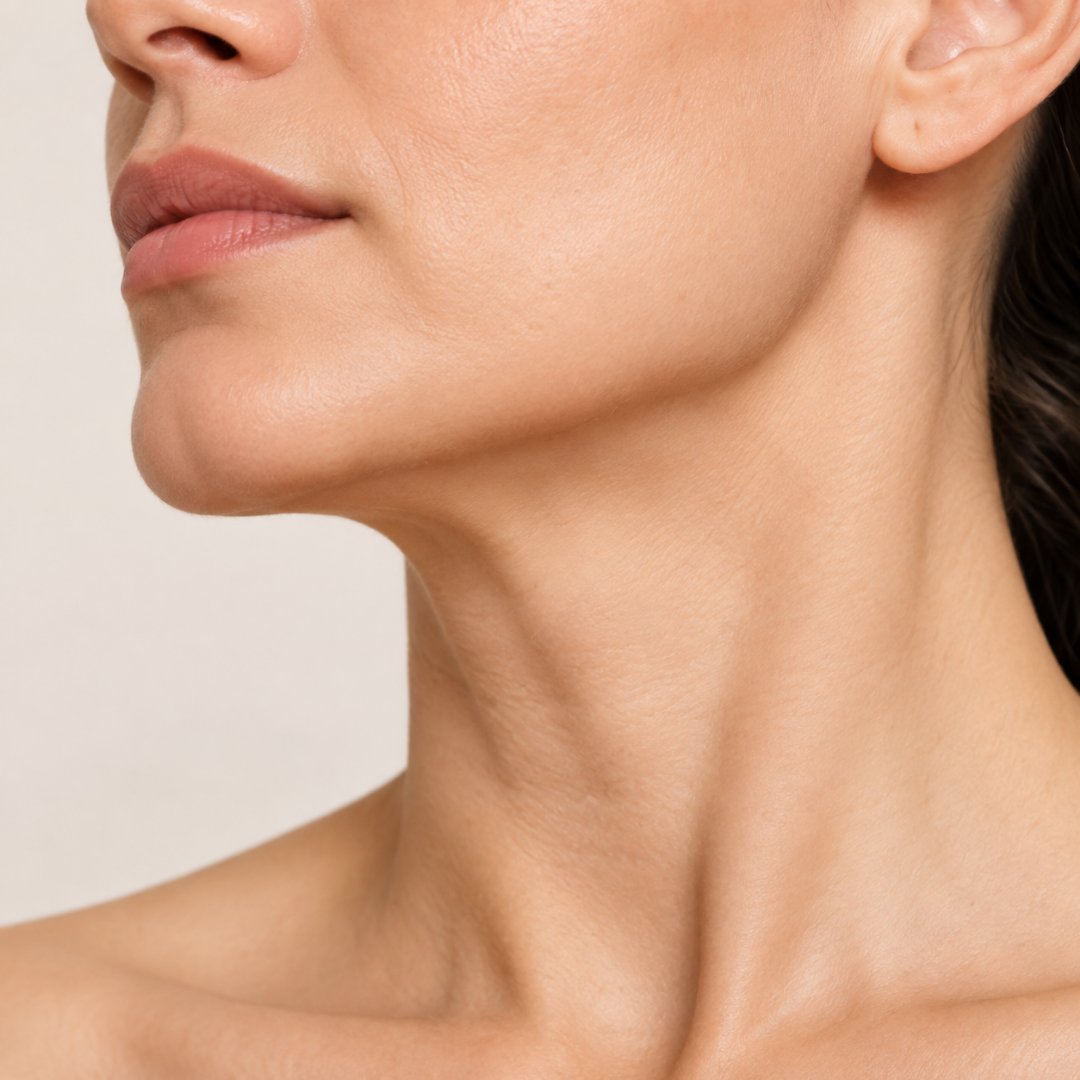
Sheetal Pungliya demonstrating Face Yoga for the neck and jawline