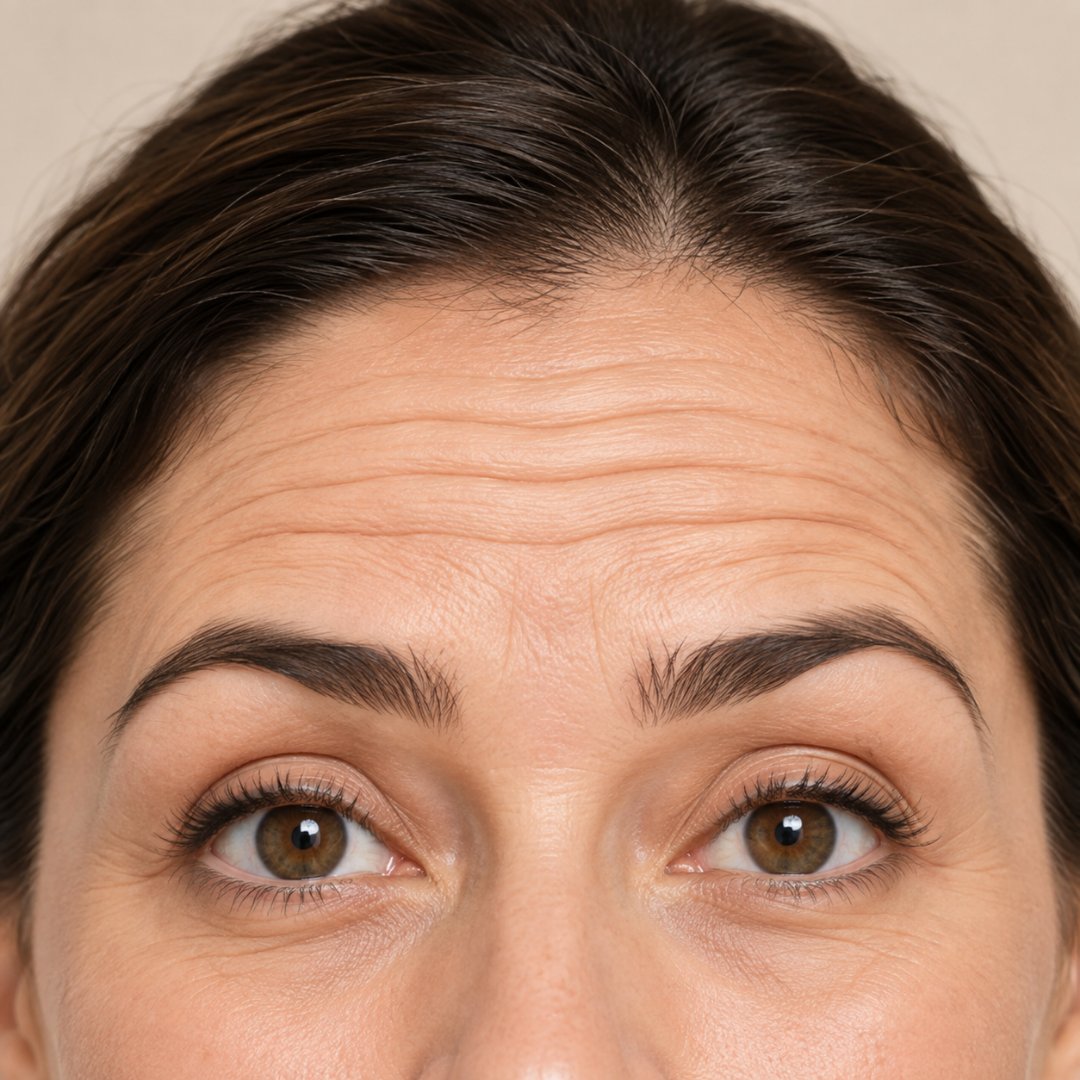
Forehead Lines
Horizontal lines may become visible where the brows repeatedly lift and the forehead moves during expression.

FaceTone Concern Guide
Fine lines, forehead lines, frown lines and deeper facial folds are a natural part of how the face changes over time. Repeated expressions, skin changes, sun exposure, facial tension and everyday lifestyle factors can all influence how noticeable they become.
This guide will help you understand some of those contributors and the supportive habits and FaceTone practices that may help you care for your face without trying to freeze natural expression.

Facial lines do not have one single cause. They reflect a combination of natural skin changes, facial movement, environmental exposure and individual facial structure.
Horizontal lines may become visible where the brows repeatedly lift and the forehead moves during expression.
Vertical lines between the brows can become more noticeable with repeated frowning, concentration or brow tension.
Lines around the eyes and mouth are influenced by facial expression, skin changes and individual facial structure.
The folds running from the sides of the nose toward the mouth are normal facial structures. Their depth can change with age, facial volume and tissue changes.
Facial lines generally develop gradually as the skin, facial tissues and patterns of expression change over time.
Age, sun exposure, repeated movement, genetics, skin characteristics and lifestyle can all influence when and where lines become more visible.
FaceTone does not aim to stop facial expression or promise to erase wrinkles. The focus is on balanced facial movement, reducing unnecessary tension and supporting overall facial wellness.
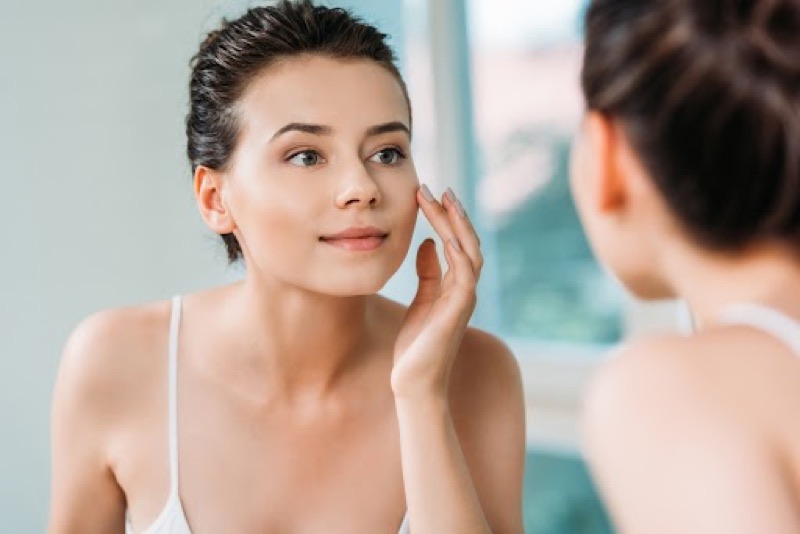
Consistent sun protection is one of the most important everyday habits for reducing avoidable UV-related skin ageing.
Check whether you frequently tighten your forehead, pull your brows together or squint while concentrating.
Expression is normal. The goal is not to stop smiling or moving your face, but to notice when tension remains even after the expression has passed.
No food can erase a wrinkle, but balanced nutrition provides nutrients used in normal skin and tissue function.
Protein provides amino acids used throughout the skin, muscles and tissues of the body.
Vitamin C supports normal collagen formation and can be obtained from fruits and vegetables.
A varied intake of vegetables and fruits provides vitamins, minerals and naturally occurring plant compounds as part of a balanced diet.
Face Yoga does not erase wrinkles. It can help you notice unnecessary tension and use facial expression with more ease.
Expression lines in one area do not mean that area should be worked repeatedly in isolation. The forehead, eyes, cheeks, mouth, jaw and neck work together during facial expression. FaceTone therefore uses a balanced whole-face approach rather than repeatedly targeting individual wrinkles.
Some facial movement is natural and desirable, but unnecessary tension can remain in the forehead, brows, jaw or around the mouth. Relaxation helps bring awareness to these patterns alongside controlled facial practice.

Trainer note
About Sheetal PungliyaWhen people notice a new line, the instinct is often to find one exercise for that exact spot. I don't encourage chasing every wrinkle individually. Your face is meant to move and express. Instead, notice where you are holding unnecessary tension and work with the whole face in a balanced way. The goal is a face that moves well, feels relaxed and looks healthy — not a face that never forms an expression.
Join FaceTone's online programs to address wrinkles and fine lines with Face Yoga and complementary practices such as lymphatic drainage, posture work, relaxation techniques.
Facial lines become more noticeable because of a combination of natural age-related skin changes, repeated facial movement, genetics, sun exposure and lifestyle factors.
Face Yoga should not be presented as a way to erase wrinkles. It can help improve awareness and control of facial movement and may help reduce unnecessary facial tension as part of a consistent facial-wellness practice.
Smiling and facial expression naturally create folds in the skin. Expression is a normal part of a healthy, expressive face. The goal of FaceTone is not to stop smiling or freeze natural movement.
Repeated brow movement and frowning contribute to lines between the brows, while natural skin changes and other individual factors influence how noticeable those lines become.
Gentle forehead exercises can help you become more aware of brow and forehead movement and unnecessary tension. See the Forehead Face Yoga Exercises page for guidance.
Not exactly. Nasolabial folds are natural facial folds running from the sides of the nose toward the mouth. Their depth can change with facial structure, age and changes in facial tissues and volume.
Start your journey
Try it out this weekend. In just 30 mins you can also see the change.
Register for Free250,000 already attended