Protect Your Skin From Excess Sun
Regular sun protection is an important everyday habit for reducing avoidable UV-related skin ageing.

FaceTone Concern Guide
As the face matures, several things can change together — skin elasticity, facial tissues, muscle use, facial volume, posture and the way the face holds tension. That is why facial ageing rarely shows up as just one line or one area.
This guide looks at the bigger picture and explains supportive habits and FaceTone practices that may help you care for your face in a balanced, realistic way as it changes with age.
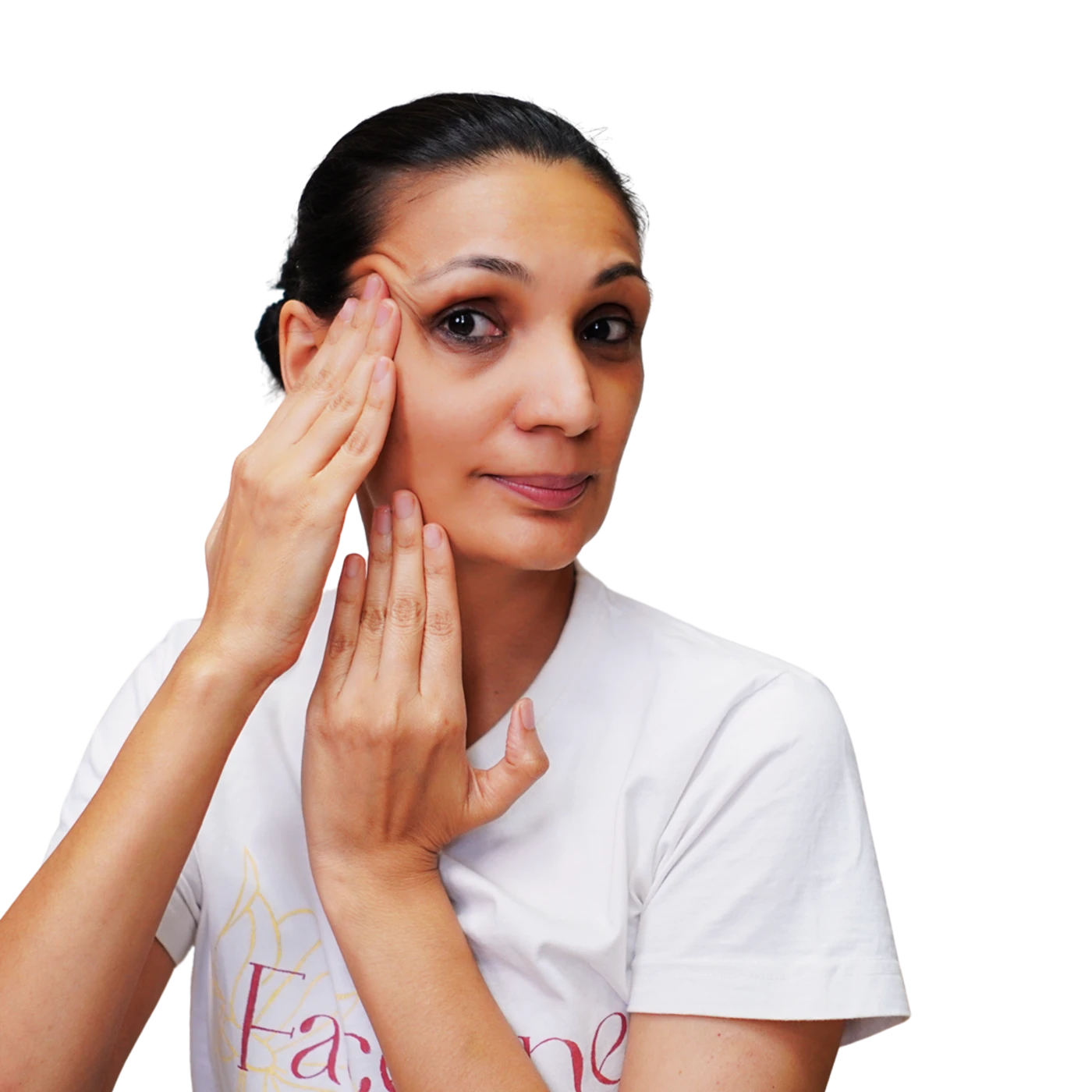
Facial ageing is a combination of changes in the skin, soft tissues, facial volume, muscle use and underlying structure. Everyone experiences these changes differently.
There is no single pattern of facial ageing.
Genetics, facial structure, sun exposure, lifestyle, skin characteristics, facial volume, expression patterns and overall health can all influence which changes become noticeable first.
One person may notice forehead lines or other facial lines first, another may notice softer cheeks, while someone else may notice puffiness around the eyes or a less defined jawline.
That is also why repeatedly targeting one area is rarely the most balanced approach.
Facial changes usually develop gradually rather than appearing all at once.
Natural skin and tissue changes, cumulative sun exposure, facial tension, posture, lifestyle and individual anatomy can all influence how the face looks over time.
FaceTone does not approach this by trying to stop ageing or freeze facial expression. The aim is to support movement, relaxation, posture and whole-face wellness as the face naturally matures.
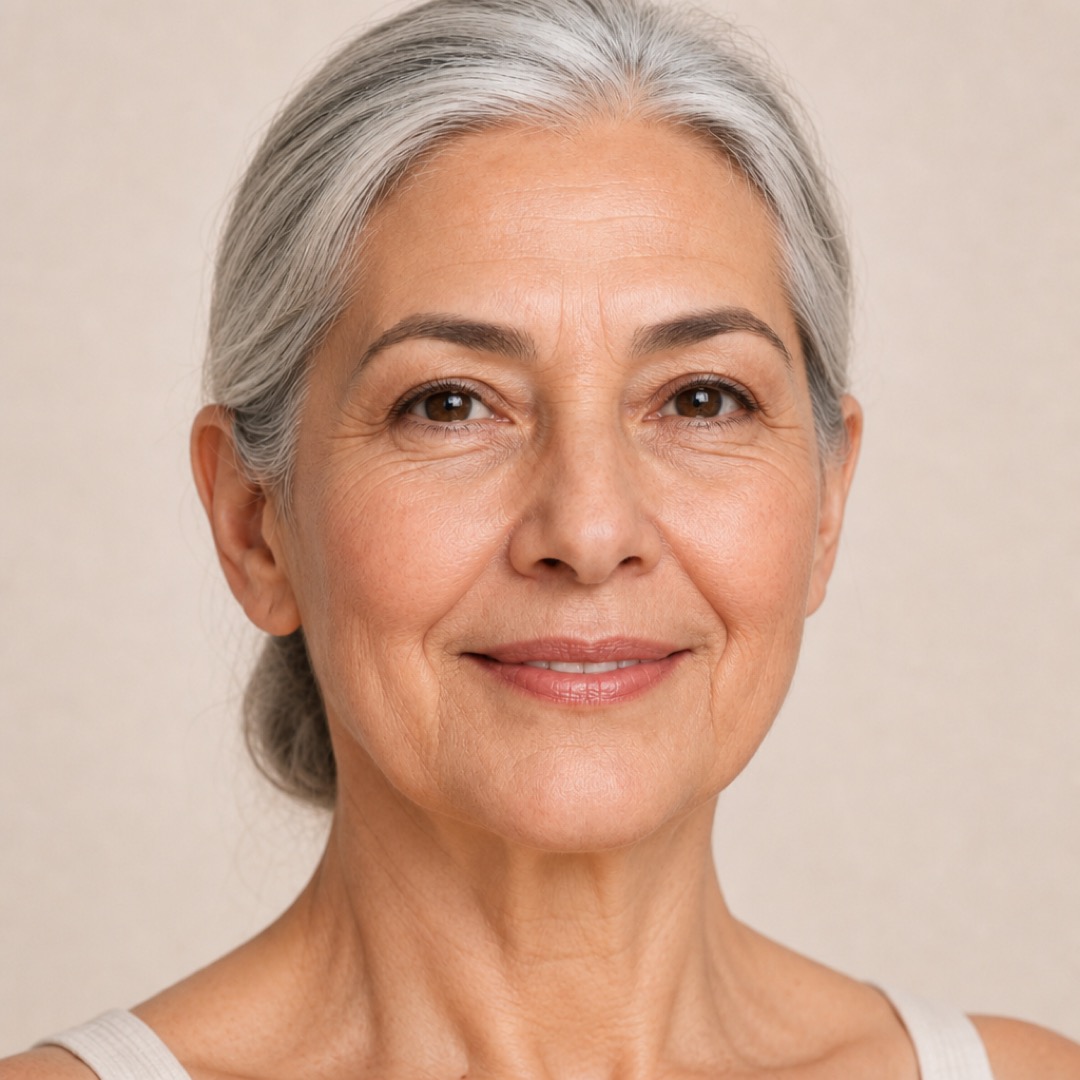
Regular sun protection is an important everyday habit for reducing avoidable UV-related skin ageing.
Regular movement, facial expression and gentle facial practice can support awareness and control rather than allowing the face and body to remain in fixed positions for long periods.
Long periods looking downward or carrying the head forward can create unnecessary tension through the neck, jaw and lower face.
No food can stop facial ageing, but balanced nutrition supports normal skin, muscle and tissue function throughout life.
Protein provides amino acids used throughout the body's muscles, skin and other tissues.
Vitamin C supports normal collagen formation and can be obtained from a varied diet containing fruits and vegetables.
Vegetables and fruits provide vitamins, minerals and naturally occurring plant compounds as part of a balanced diet.
When several facial changes appear together, work the face as a whole rather than only the area that bothers you most.
Facial ageing does not happen in isolated sections. The forehead, eyes, cheeks, mouth, jaw and neck change and move together. FaceTone therefore works with the whole face in a balanced way rather than chasing individual lines or repeatedly targeting one concern.
Facial tension and posture can influence how the face moves and rests. FaceTone therefore pays attention to relaxation and body alignment alongside facial movement rather than treating the face as separate from the rest of the body.

Trainer note
About Sheetal PungliyaAs the face matures, it is natural to notice several changes at the same time — perhaps the cheeks look different, new lines appear or the jawline feels softer. I don't recommend chasing every change with a separate exercise. Look at the face as a whole. Gentle movement, relaxation, posture and consistent practice are more important than trying to force the face back to how it looked years ago.
Join FaceTone's online programs to address ageing and mature face concerns with Face Yoga and complementary practices such as lymphatic drainage, posture work, relaxation techniques.
The face changes because of a combination of natural changes in the skin, facial tissues, volume, underlying structure and patterns of facial movement. Genetics, lifestyle and sun exposure can also influence how these changes appear.
No. Face Yoga should not be presented as a way to stop or reverse ageing. It can be part of a regular facial-wellness practice that supports movement, awareness, relaxation and muscle control.
Results and appearance vary between individuals. Face Yoga may support a more refreshed, toned or relaxed-looking face for some people, but it should not be presented as a way to turn back biological age.
FaceTone does not recommend building an entire practice around isolated concerns. The face works as an interconnected system, so balanced whole-face practice is preferred. For deeper detail on a specific area, see the dedicated guides for wrinkles and fine lines, sagging cheeks or a less defined jawline.
A balanced starting practice can include gentle movements for the cheeks, eyes, forehead and lower face. See the Full Face Yoga Exercises page for guidance.
There is no specific age at which someone must begin facial practice. The emphasis should be on gentle, appropriate movements, realistic expectations and consistency rather than force.
Start your journey
Try it out this weekend. In just 30 mins you can also see the change.
Register for Free250,000 already attended